


From AI-powered play and product innovation to IP licensing, marketing transformation, evolving sales channels and global expansion, six major trends are reshaping the toy and collectible market in 2026.
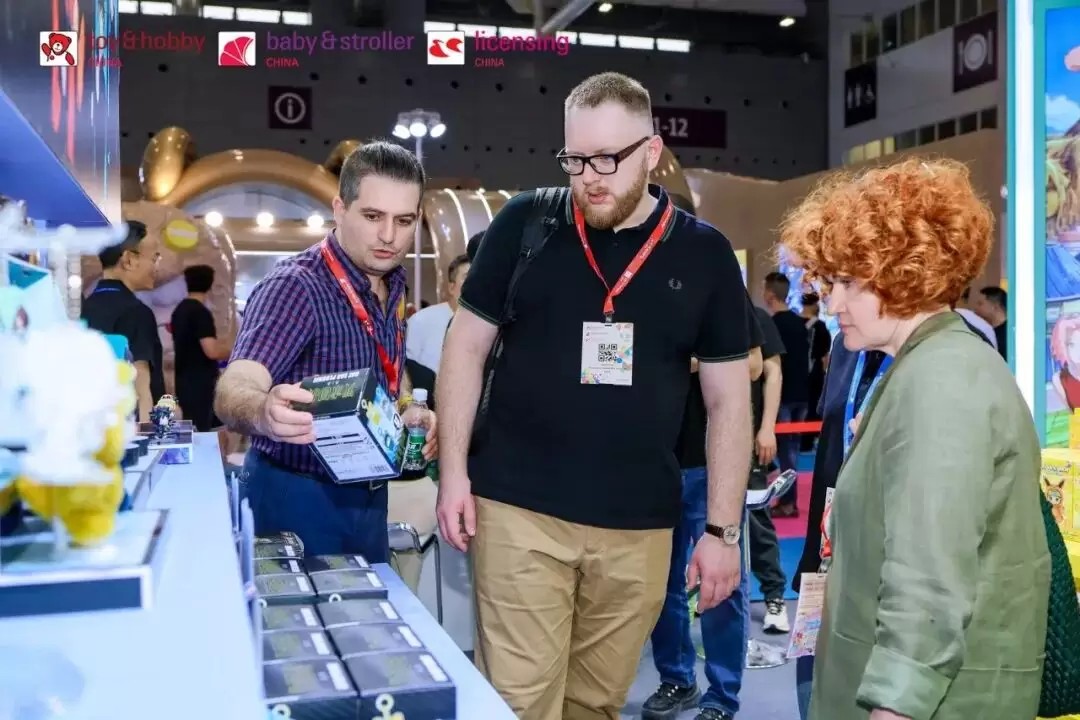
Toy and Hobby China 2026 was held from 9–11 April at the Shenzhen World Exhibition & Convention Center, bringing together industry professionals from around the world.
Alongside the exhibition, a diverse programme of industry events took place. On the first day, the “World of Play” Summit 2026 welcomed speakers from China and overseas, representing platforms and companies including CToys.com, Xiaohongshu, Yuanqi Mart, Flipo Group and Shout About!, to share insights and discuss topics of interest to the industry.
During the summit, Mr. Salas Lee, New Media Director of Guangdong Toy Association, Chief Editor of CToys.com, presented the 2026 China and Global Toy & Collectible Trends Report, highlighting six major market trends for 2026.


The Six Toy and Collectible Trends immediately
The report identifies six major shifts:
- AI Empowerment: from concept hype to practical value
- Product Innovation: from feature stacking to emotional resonance
- IP Licensing: from traffic-driven strategies to deeper engagement with niche communities
- Marketing Transformation: from loud promotion to seamless integration
- Channel Evolution: from competing for shelf space to integrating experiences
- Global Expansion: from one-size-fits-all strategies to market-specific approaches
Trend 1: AI Empowerment
From Concept Hype to Practical Value
AI remains a major focus for the toy industry, but the emphasis is shifting from marketing hype towards practical applications.
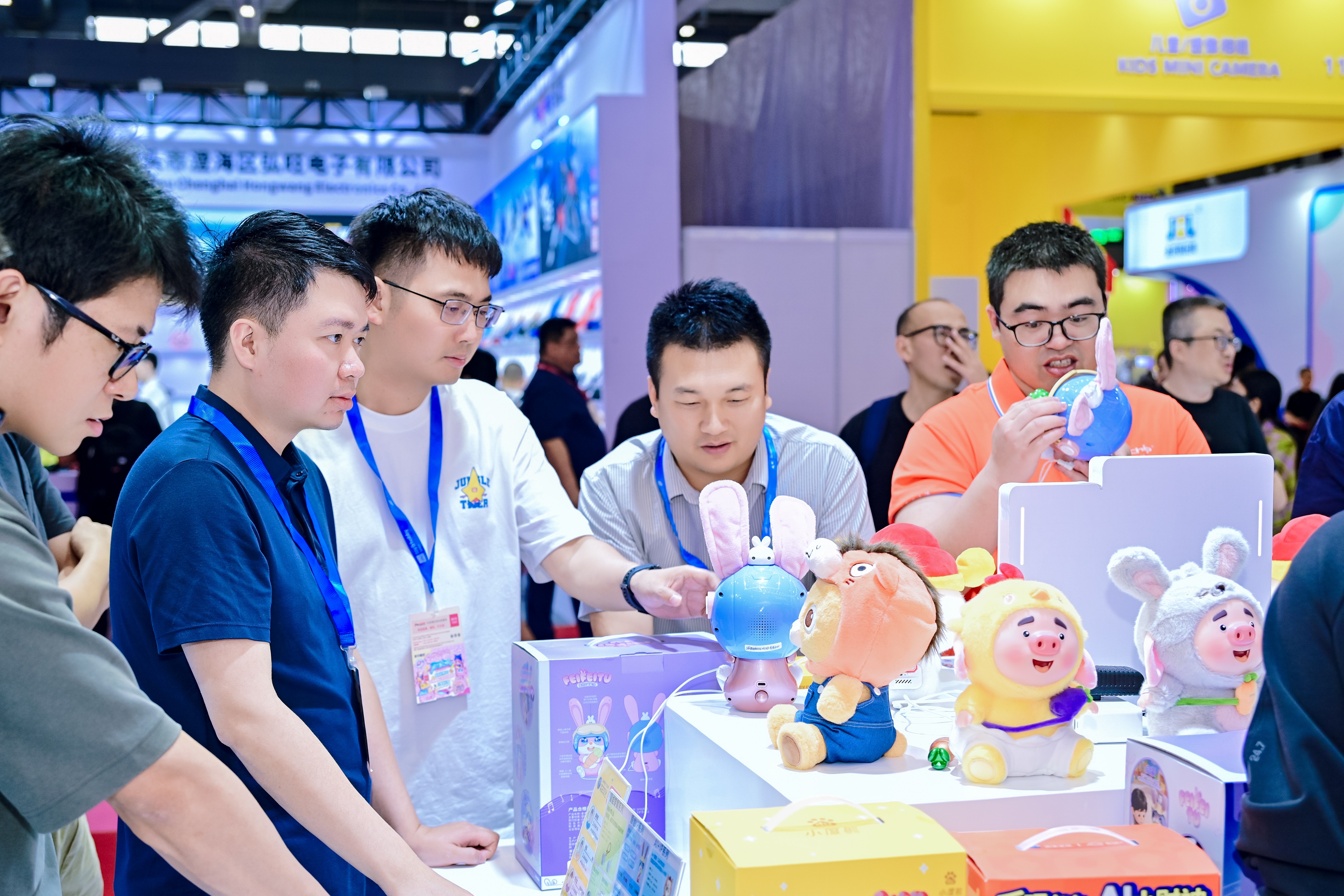
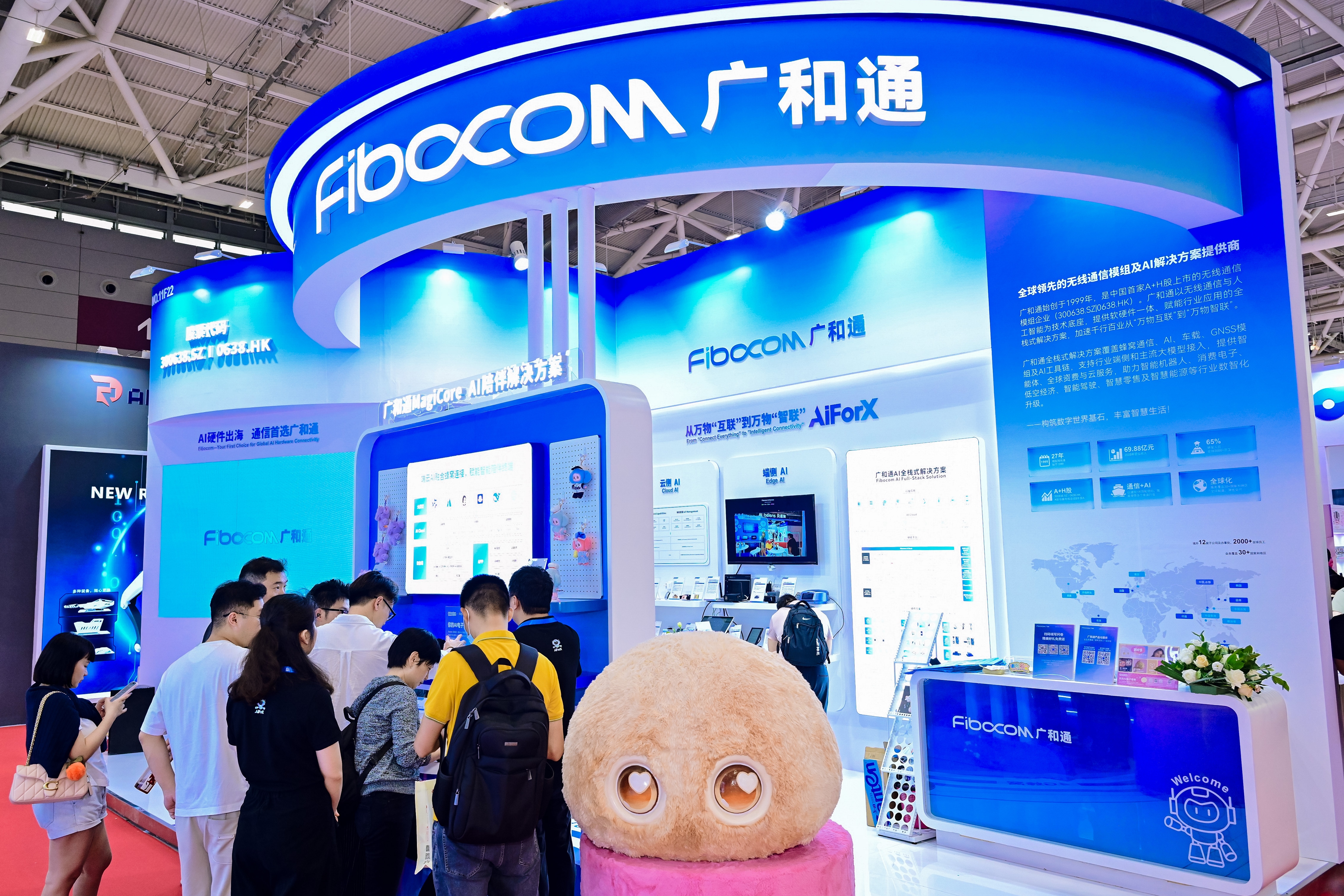
At Toy and Hobby China 2026, a dedicated AI & Intelligent Toys Zone was established in Hall 11, attracting a number of representative companies and strong visitor interest.
As consumers become increasingly familiar with AI technology, their expectations for AI toys are also rising. Two areas are becoming particularly important: emotional value and educational companionship.
AI toys need to deliver genuine emotional value
To meet consumers’ emotional needs, an AI product cannot simply place a toy shell around a general-purpose AI model. Products need to offer more targeted and distinctive experiences.
With IP continuing to play an important role in the market, AI toys are expected to become increasingly integrated with licensed and original IP.
Rather than simply reproducing an IP character’s voice, music or stories, future AI toys should also be capable of co-creating and interacting with users, allowing the character to provide companionship in a way that feels authentic to its IP identity.
The growing popularity of pet ownership also creates opportunities for AI toys based on different animal themes. For these products, however, highly realistic appearance, materials and tactile qualities will be important.
Educational companionship goes beyond answering questions
The educational and companionship value of AI products can include helping and guiding users in learning, answering questions whenever needed and providing a sense of companionship.
This could include recognising negative emotions and offering comfort, helping users settle down before sleep, or maintaining continuous interactive conversations.
Companies should avoid designing products simply as generic AI versions of traditional storytelling or learning devices. Instead, product development should focus on real-life usage scenarios, with greater portability, easier operation and stronger interactivity.
Trend 2: Product Innovation
From Feature Stacking to Emotional Resonance
Products are ultimately the carriers of value. In 2026, product innovation is expected to increasingly centre around emotional value and deeper user experiences.
Combining functionality with emotional value
Traditional toys can create greater value through additional functions, IP integration, technology, detailed styling, sophisticated structures and higher-quality materials.
At the same time, product usage scenarios are becoming increasingly specialised, helping improve the overall user experience.
Examples include products designed for children’s early exposure to art and aesthetics, therapeutic training for special needs, outdoor camping and exploration, and experiences based on emerging professions. These new scenarios can bring fresh possibilities to traditional toy categories.
Collectible toys, which traditionally did not need to perform a practical function, are also becoming more functional.
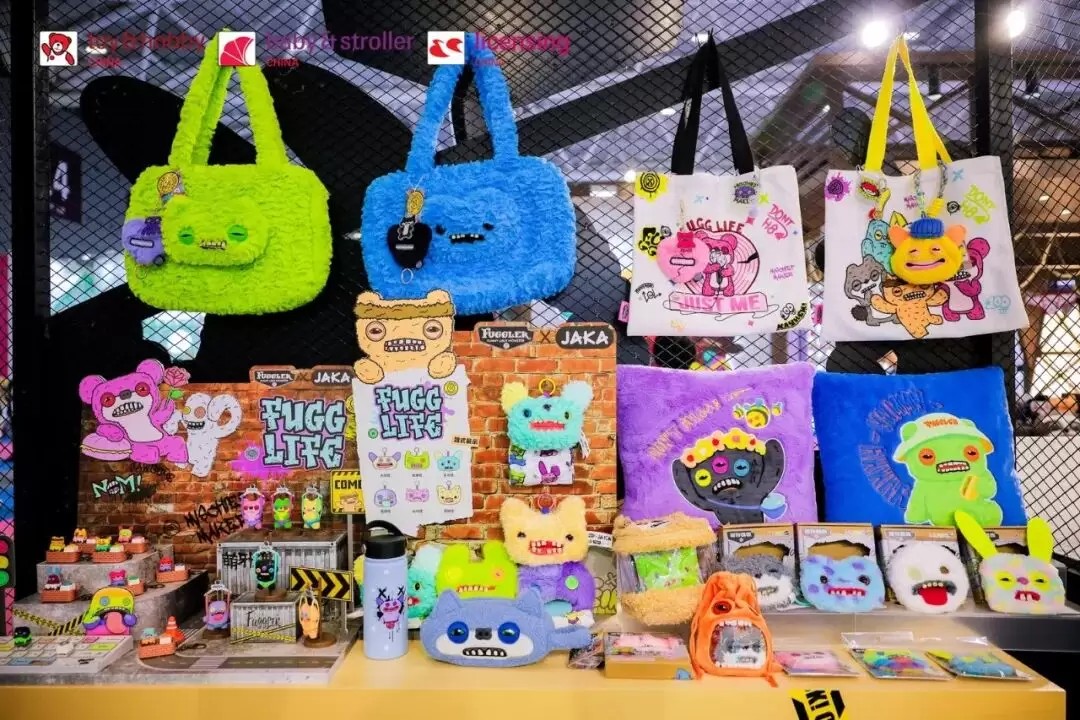
Consumers are no longer satisfied with collectibles serving purely as display pieces. This has contributed to the popularity of plush accessories that can be carried around as fashion accessories or bag charms.
Some products also integrate storage functions, taking the form of small bags that can hold personal items while simultaneously serving as decorative accessories.
Collectible toys are gradually evolving from display objects into companions.
From static collectibles to dynamic play
Traditional toy companies already have considerable experience in developing movable products.
Collectible toys, which have traditionally focused more heavily on emotional value, are also moving beyond static formats. Articulation and playability are becoming new selling points.
For example, many popular vinyl plush toys are designed with movable arms and legs and rotating heads, allowing consumers to pose them in different ways.
An increasing number of companies are also using light, sound and wind-up mechanisms to bring static collectibles to life or create entertaining scenarios.
Examples include 52TOYS’ wind-up toy series and its light-and-motion product series.
Customisable BJD/MJD dolls that allow users to change outfits and makeup are another example of products bringing a sense of dynamic life to static collectibles.
Moving beyond traditional age boundaries
Educational, craft and sports products have traditionally been designed mainly for children.
Today, however, many adults also enjoy puzzles, crafts and similar activities as ways to exercise their minds and hands, relieve stress and relax.
Companies developing new products could therefore consider creating products suitable for a wider range of age groups, including product series designed at different difficulty or age levels so that consumers of different ages can find an appropriate option.
The rise of crafts and therapeutic experiences
Craft activities such as fuse beads, miniature models and crochet continue to gain popularity.
They have relatively low barriers to entry while offering highly immersive experiences. For adults, they can provide a controllable form of emotional relaxation as well as a sense of accomplishment.
The finished products also have natural social-sharing appeal, making them particularly suitable for circulation and discussion on social media platforms.
Trend 3: IP Licensing
From Traffic-Driven Strategies to Deeper Community Engagement
IP remains a key growth engine for the toy and collectible industry, but the underlying strategy is changing.
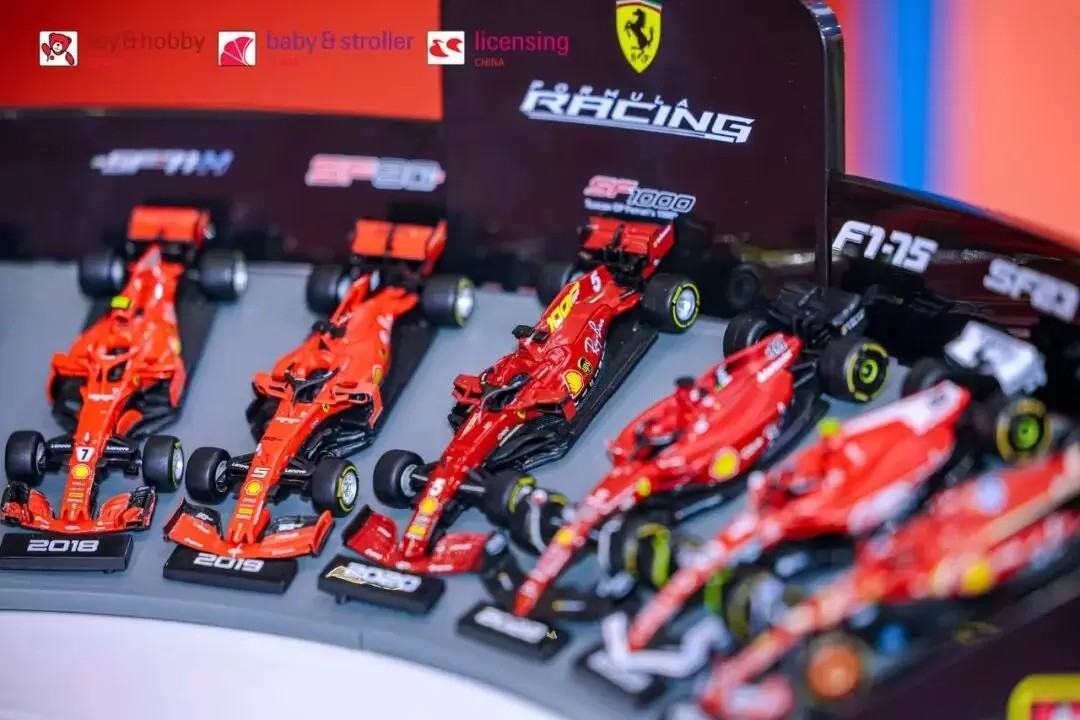
IP sources are becoming more diverse
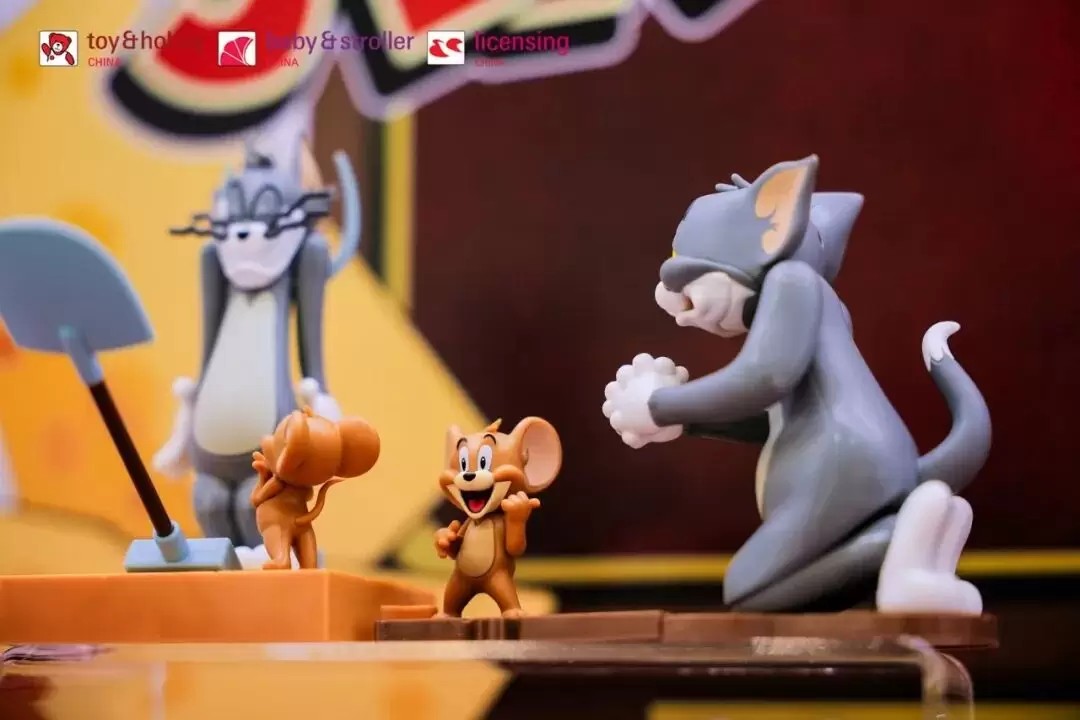
In addition to major film, television and animation properties, companies should also pay attention to niche IPs that have the potential to break into the mainstream.
Examples include Formula 1, virtual idols, museum and art IP, content creator IP and even anime-style interpretations of celebrities.
Individual properties may not always generate enormous traffic, but they can have highly loyal fan communities.
IP operations need a long-term approach
Companies should be cautious about short-lived viral success.
The long-term vitality of an IP depends on its world-building and storylines. Simply capitalising on temporary popularity without deeper IP management or continued content development may eventually result in excess inventory.
The growing male consumer market
The collectible toy market should not overlook male consumers.
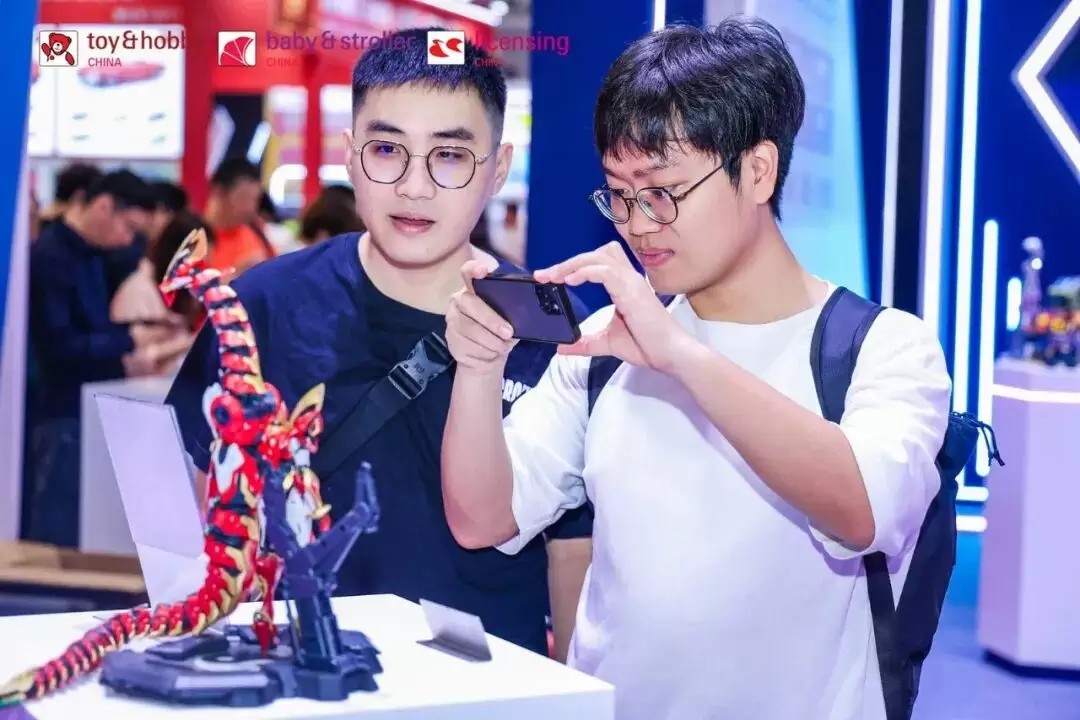
Categories such as mecha, advanced models and realistic articulated figures continue to have considerable potential, leaving room for a strong domestic market leader to emerge.
Trend 4: Marketing Transformation
From Loud Promotion to Seamless Integration
Marketing is becoming less intrusive and more naturally integrated into consumers’ everyday lives.
Different messages for children and parents
Marketing communication increasingly needs to address two audiences.
For children, brands may focus on exciting stories and engaging experiences. For parents, the emphasis may instead be on educational value and safety.
Communication strategies therefore need to be tailored to different audiences.
Integrating toys into lifestyle scenarios
Toys can increasingly become part of broader lifestyle experiences.
Stress-relief toys in cafés, playful building sets in family restaurants, and in-depth discussions within hobby communities can all stimulate consumer interest outside traditional shopping environments.
AI-driven precision marketing
Marketing increasingly needs to communicate not only with people, but also with AI systems.
In China, platforms such as Yuanbao, Doubao, Qwen and Kimi are becoming new traffic gateways, while overseas platforms such as ChatGPT and Gemini are playing a similar role.
In this environment, product descriptions and content need to be structured in ways that allow AI systems to accurately retrieve, understand and potentially recommend the information.
Marketers therefore increasingly need to think like both strategists and AI trainers.
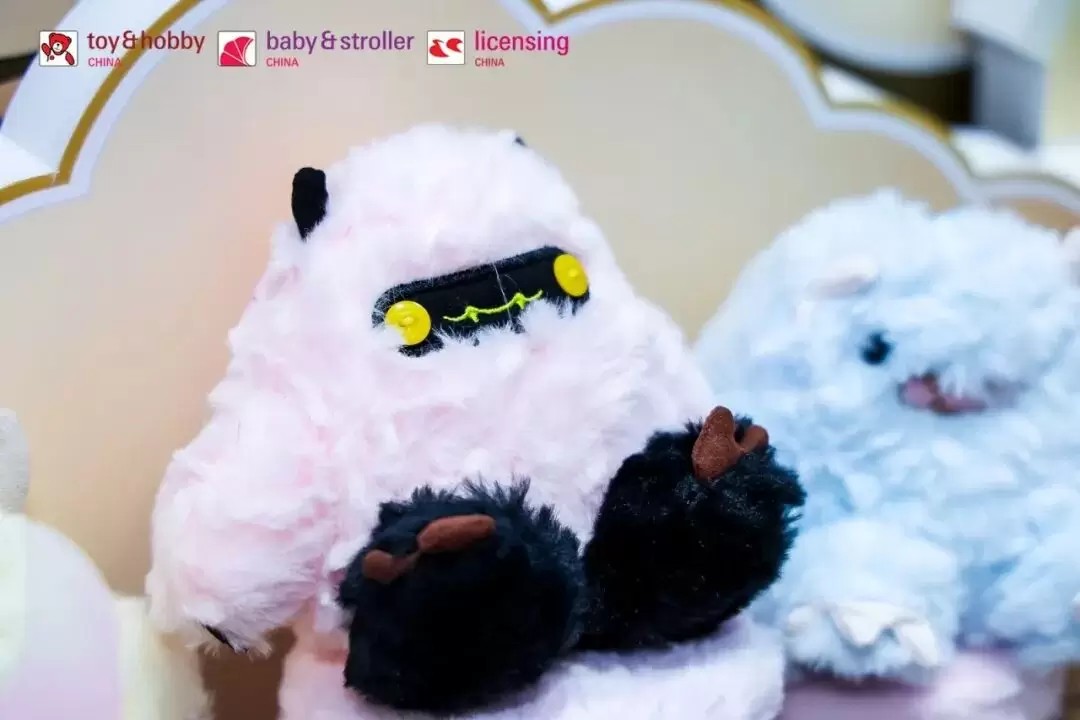
Building emotional connections
Instead of simply listing product functions, marketing should communicate an understanding of consumers’ emotions and needs.
For an anxious adult, the message might be about giving themselves permission to relax. For parents concerned about screen time, the message might focus on helping children put their phones down.
Trend 5: Channel Evolution
Both online and offline distribution channels are being reshaped.
Online: broader reach and greater precision
Traditional overseas e-commerce platforms are strengthening their content capabilities and expanding into lower-tier markets, while emerging players such as TikTok Shop and SHEIN are investing in logistics infrastructure and accelerating localisation.
With its strengths in content and traffic, TikTok Shop has become one of the world’s fastest-growing e-commerce platforms.
In China, Tmall, Taobao, JD.com, Douyin, Kuaishou, Pinduoduo, Dewu, Bilibili Membership Purchase and Xiaohongshu are among the online channels used by many companies.
Although traffic growth on traditional e-commerce platforms has begun to plateau, their large user bases continue to support relatively stable overall sales.
Emerging e-commerce platforms, meanwhile, offer more flexible sales formats, including livestream and video commerce, and often achieve faster growth.
Second-hand trading platforms such as Xianyu, Qiandao and Zhuanzhuan are also worth watching. A number of brands are exploring these platforms as additional sales channels and business models.
Offline: experience and cross-sector integration
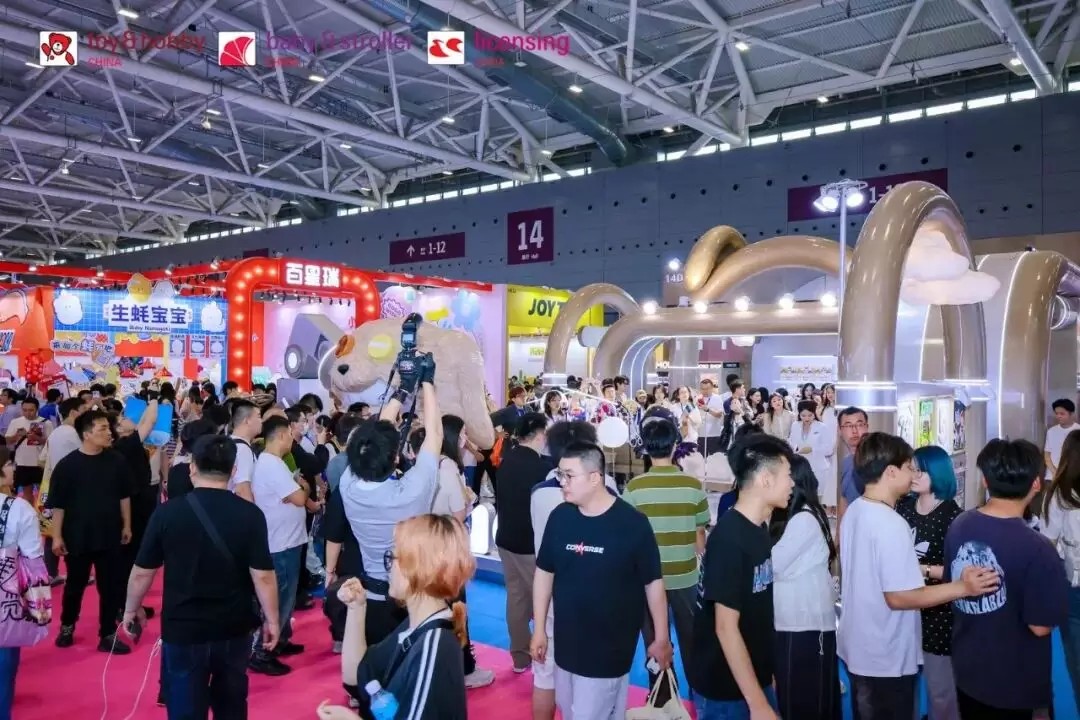
Physical stores are evolving from places that simply sell products into spaces that deliver experiences.
Brand flagship stores and IP-themed stores can use immersive environments to encourage higher-value purchases.
At the same time, toys are increasingly entering lifestyle spaces and integrating with cafés, bookstores and restaurants.
Pop-up stores are also evolving from purely promotional tools into formats that combine marketing and sales.
Self-service vending formats are becoming increasingly common across the industry.
Brands including POP MART, FINDING UNICORN and many more have established automated retail stores, while vending machines selling IP-themed merchandise are also becoming an increasingly important offline channel.
Trend 6: Global Expansion
From One-Size-Fits-All Strategies to Market-Specific Approaches
International expansion has become an important development path for many companies, but strategies need to vary by market and product category.
Opportunities for traditional toy companies
For traditional toy companies, Southeast Asia, the Middle East and Latin America represent markets with significant potential.
These markets have relatively young population structures and strong demand for affordable products and basic educational toys.
Historically, premium market segments were largely dominated by major European and US brands, while Chinese brands were more heavily represented in the low- to mid-range segments.
In recent years, however, as Chinese brands have accelerated their international expansion, they have gradually begun moving into higher-end segments.
Opportunities for collectible toy companies
For collectible toy companies, Southeast Asia remains important, but key markets have expanded to include North America, Europe, Japan and South Korea.
These markets have more mature kidult economies, where consumers demonstrate a stronger willingness to pay a premium for emotional and cultural value.
Success increasingly depends on several factors:
- Localised storytelling, including locally relevant collaborations and designs
- Immersive experiences, such as pop-up stores and themed retail spaces
- Deep community engagement, including active participation in interest-based communities on platforms such as Discord and Instagram
Looking Ahead: Creating Value Beyond Price
Build value-driven products, not price-driven products
Companies should clearly define the educational, emotional or functional value their products provide to users.
When a product becomes an experience that consumers consider worth investing in, brands can move beyond competing primarily on price.
Build human connections, not rigid promotional messages
Marketing should become part of the consumer’s environment.
Brands can use content to connect emotionally with audiences, use AI to reach consumers more precisely, and build genuine, long-term emotional connections.
The growth engine of the toy and collectible industry is changing.
Rather than relying primarily on demographic dividends, future growth will increasingly be driven by technology, emotional value and aesthetics.
In this period of value transformation, brands and companies will need to identify where they can create distinctive value and develop products that are not only successful in the short term, but capable of remaining relevant over time.